Choosing the right OEM sight glass manufacturer is critical for equipment safety, pressure reliability, and long-term performance. Engineers should evaluate material quality, pressure ratings, thermal resistance, machining tolerances, and manufacturing capabilities before selecting a supplier. A properly manufactured sight glass improves equipment reliability, reduces maintenance issues, and helps prevent costly downtime.
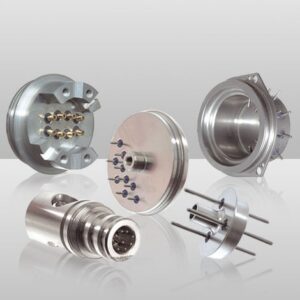
Electro-Seal manufactures OEM sight glasses, fused glass-to-metal assemblies, liquid level indicators, and custom machined components for industrial applications nationwide.
Why OEM Sight Glass Quality Matters
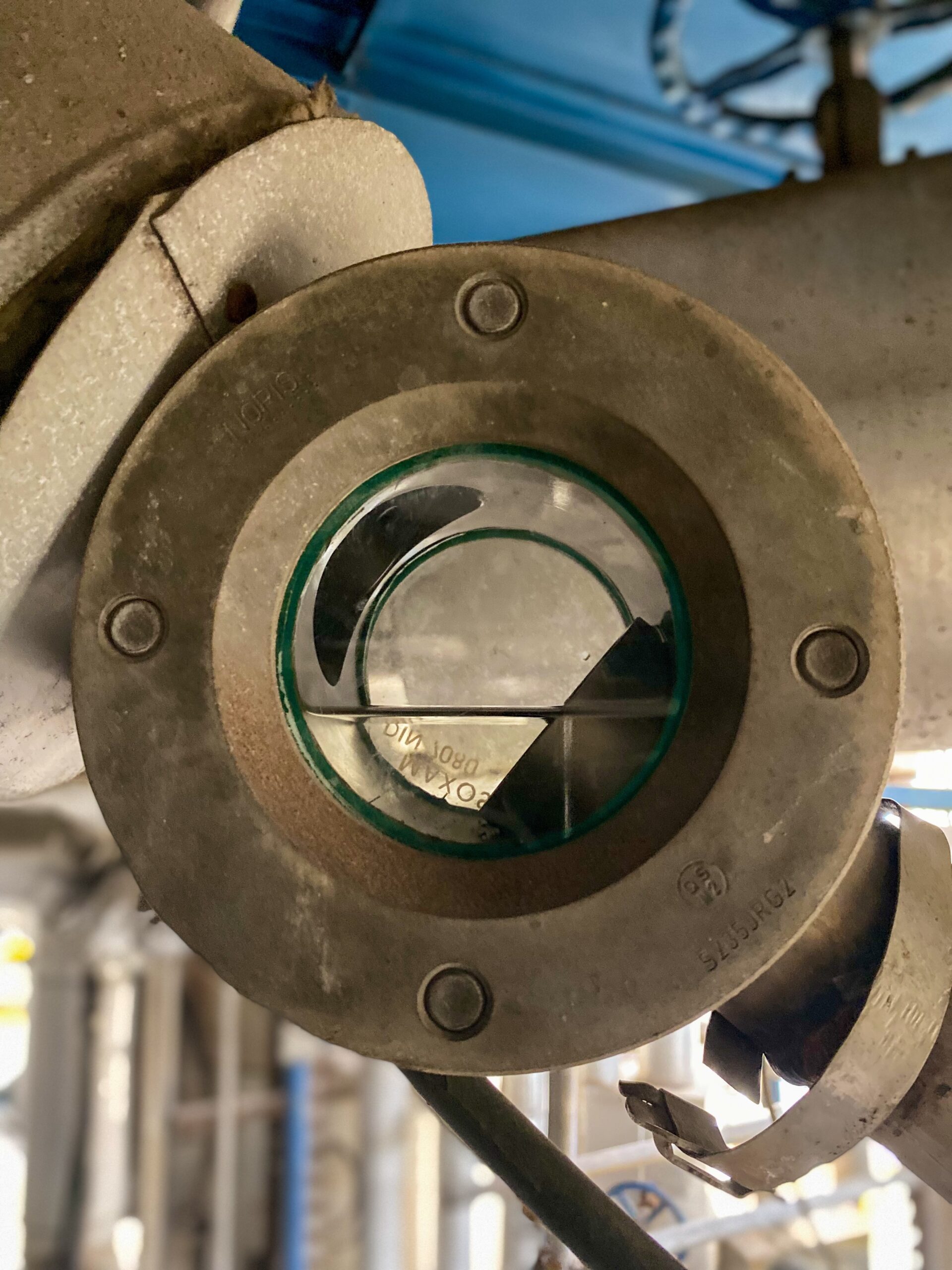
Sight glasses are used in industrial systems to monitor:
- Fluid levels
- Flow conditions
- Pressure systems
- Internal process visibility
A poorly manufactured sight glass can lead to:
- Fluid leakage
- Pressure failure
- Safety hazards
- Product contamination
- Equipment shutdowns
For OEMs, component reliability directly affects customer satisfaction and equipment performance.
Choosing the right manufacturing partner reduces long-term operational risk.
Understanding OEM Sight Glass Applications
OEM sight glasses are commonly used in:
- Hydraulic systems
- Agricultural equipment
- Aerospace applications
- Chemical processing systems
- Industrial fluid monitoring equipment
Each application presents unique challenges involving:
- Pressure
- Temperature
- Chemical exposure
- Mechanical vibration
The manufacturer must understand these operating conditions before recommending materials or designs.
Material Selection Is Critical
One of the most important engineering considerations is material compatibility.
Common sight glass materials include:
- Borosilicate glass
- Tempered glass
- Stainless steel housings
- Brass housings
- Specialty alloys
Borosilicate glass is widely used because it offers:
- Excellent thermal resistance
- Chemical durability
- Reduced thermal expansion
According to Corning, borosilicate glass performs well in environments involving rapid temperature changes [Corning Borosilicate Glass Information – https://www.corning.com/worldwide/en/products/advanced-optics/product-materials/borosilicate-glass.html].
Material selection should always match operating conditions.
Pressure Ratings Must Match System Requirements
Every sight glass assembly has design limitations.
Engineers should verify:
- Maximum PSI rating
- Temperature range
- Seal compatibility
- Mounting requirements
Using under-rated components increases the risk of:
- Cracking
- Leakage
- Blowouts
- Safety incidents
Electro-Seal manufactures fused glass-to-metal observation tools designed for demanding industrial environments where pressure resistance is essential.
Why Fused Glass-to-Metal Construction Matters
Traditional mechanically clamped sight glasses may loosen or weaken over time.
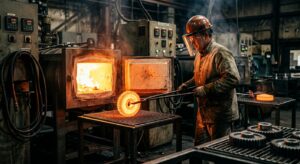
Fused glass-to-metal assemblies permanently bond the glass to a metal housing through controlled thermal processing.
Advantages include:
- Increased structural strength
- Improved pressure resistance
- Better thermal stability
- Reduced leak risk
- Longer lifespan
This construction method is commonly used in high-performance industrial and aerospace applications.
Precision Machining Improves Reliability
Machining tolerances directly affect:
- Seal integrity
- Component alignment
- Vibration resistance
- Overall durability
Poor machining may create:
- Uneven mounting pressure
- Stress fractures
- Seal wear
- Misalignment issues
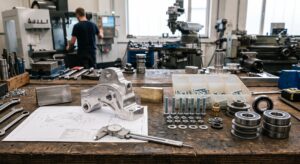
Electro-Seal performs precision machining in-house to maintain tight tolerance control and consistent quality.
For OEM applications, even minor dimensional inaccuracies can impact long-term reliability.
The Importance of Seal and Gasket Quality
Gasket failure is one of the most common causes of sight glass leakage.
Engineers should evaluate:
- Chemical compatibility
- Temperature resistance
- Compression characteristics
- Long-term durability
Low-quality sealing materials may deteriorate quickly under industrial conditions.
Electro-Seal helps customers select sealing systems appropriate for their environment and operating conditions.
Surface Treatments and Finishing Options
Additional finishing processes can improve component performance.
Electro-Seal offers:
- Heat treating
- Protective coatings
- Engraving
- Surface finishing services
Protective coatings help improve:
- Corrosion resistance
- Chemical durability
- Surface lifespan
Heat treating improves:
- Hardness
- Structural strength
- Wear resistance
These services are especially valuable for harsh industrial environments.
Custom Manufacturing vs Standard Components
Some applications can use standard sight glass configurations, while others require custom engineering.
Custom manufacturing may be necessary for:
- Unique dimensions
- Specialized mounting systems
- High-pressure environments
- Legacy equipment replacement
- Reverse-engineered components
Electro-Seal supports:
- OEM production
- Custom machining
- Small-batch manufacturing
- Large-scale production
Because we manufacture in-house, we can adapt designs to customer specifications more efficiently.
Why Domestic Manufacturing Benefits OEMs
Working with a U.S.-based manufacturer provides:
- Faster shipping
- Easier communication
- Improved quality control
- Faster engineering revisions
- Reduced supply chain risk
For OEMs managing tight production schedules, domestic sourcing improves responsiveness and reliability.
Electro-Seal operates from:
202 S Ecker Ave
Bourbon, IN 46504
We ship nationwide throughout the United States.
Questions Engineers Should Ask Before Choosing a Manufacturer
Before selecting an OEM sight glass supplier, ask:
- What pressure ratings are available?
- What glass materials are used?
- Are custom sizes supported?
- Is machining performed in-house?
- What finishing services are available?
- Can the manufacturer support long-term OEM production?
- Are replacement components readily available?
The answers help determine whether the supplier can support long-term reliability and scalability.
Preventing Downtime Through Better Component Selection
Low-quality components may appear cost-effective initially but often create higher long-term expenses through:
- Increased maintenance
- Frequent replacement
- Downtime
- Safety incidents
Investing in properly manufactured OEM sight glasses improves:
- Equipment lifespan
- System reliability
- Operational safety
- Maintenance efficiency
For industrial operations, reliability is often more valuable than short-term savings.
Frequently Asked Questions
What is an OEM sight glass?
An OEM sight glass is a viewing component manufactured for use in original equipment systems to monitor fluids or processes safely.
Why is borosilicate glass commonly used?
Borosilicate glass offers strong thermal and chemical resistance.
What are fused glass-to-metal assemblies?
These are observation tools where the glass is permanently bonded to metal for improved strength and leak resistance.
Can Electro-Seal manufacture custom sight glasses?
Yes. We specialize in OEM and custom manufacturing solutions.
Do you ship nationwide?
Yes. Electro-Seal ships throughout the United States.
Choose an OEM Sight Glass Manufacturer Focused on Reliability
Selecting the right OEM sight glass manufacturer impacts equipment safety, performance, and long-term reliability. Precision machining, material quality, and proper engineering all play a critical role in reducing downtime and improving operational efficiency.
Electro-Seal manufactures fused glass-to-metal assemblies, OEM sight glasses, liquid level indicators, pulleys, and custom machined components from our Indiana facility.
To request a quote or discuss your application:
Call: (574) 342-2105
Email: sales@electroseal.net
Hours: Mon–Fri 8:00 am–4:30 pm
Contact Electro-Seal today for precision OEM manufacturing solutions.