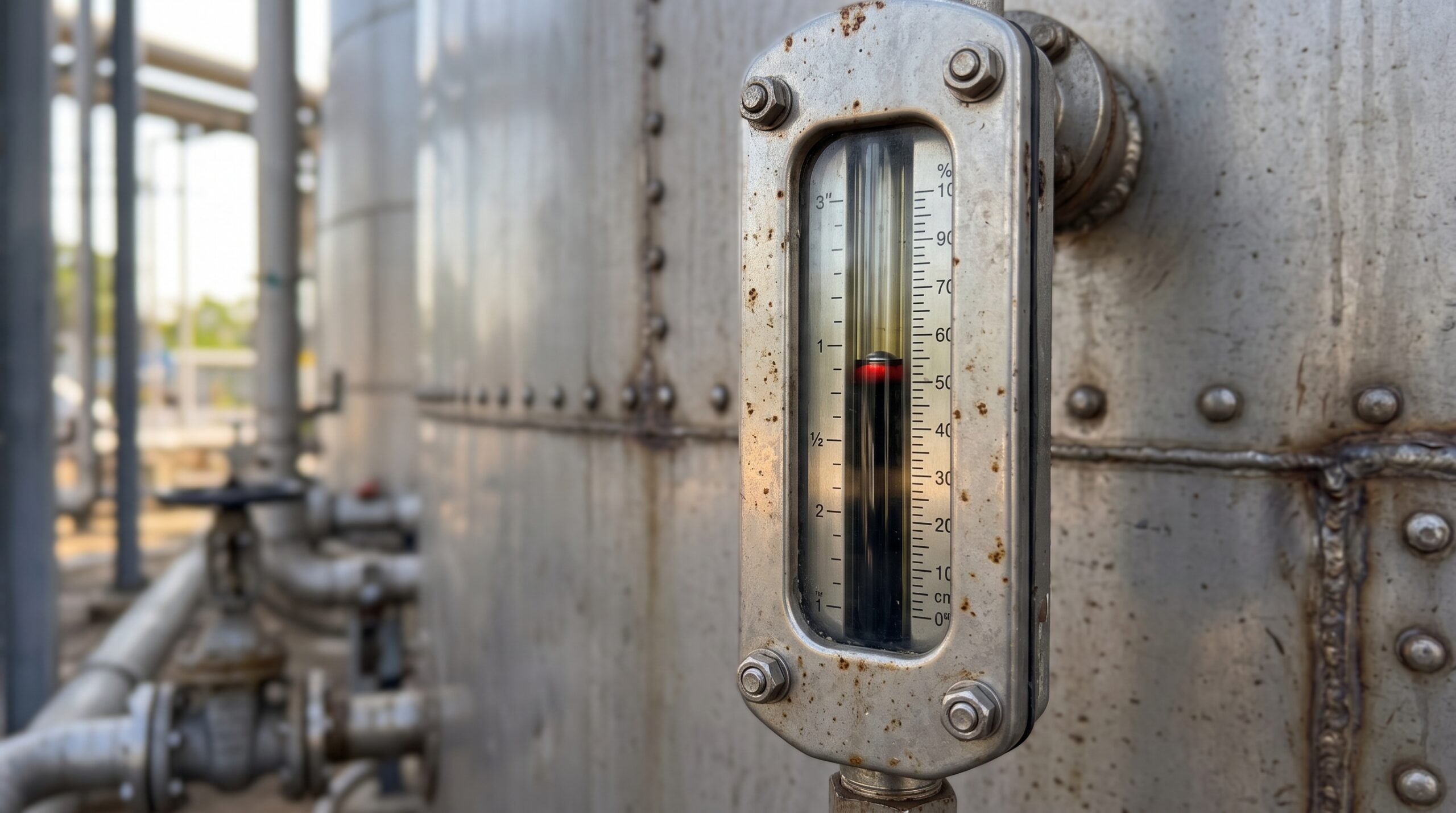
Liquid level indicators are used across many industries to safely monitor fluid levels, pressure conditions, and internal system performance without interrupting operations. These components improve operational safety, reduce downtime, and help operators identify problems before equipment failure occurs. Industries including aerospace, agriculture, manufacturing, hydraulic systems, and chemical processing rely heavily on liquid level indicators for accurate visual monitoring.
Electro-Seal manufactures OEM liquid level indicators, fused glass-to-metal observation tools, sight glasses, and custom-machined industrial components for customers throughout the United States.
What Is a Liquid Level Indicator?
A liquid level indicator is a device that allows operators to visually monitor the level or condition of fluids inside a system or container.
These indicators are commonly used to observe:
- Oil levels
- Hydraulic fluid
- Coolants
- Chemicals
- Lubricants
- Water systems
Liquid level indicators improve operational efficiency by allowing fast visual inspection without opening the system.
They are often integrated into:
- Industrial machinery
- Hydraulic equipment
- Pressure systems
- OEM manufacturing equipment
Why Liquid Level Monitoring Matters
Accurate fluid monitoring is essential for equipment reliability and workplace safety.
Improper fluid levels can lead to:
- Overheating
- Pressure loss
- Lubrication failure
- Equipment damage
- Production downtime
Without a reliable observation system, operators may not recognize a problem until major damage occurs.
Liquid level indicators help facilities:
- Monitor systems safely
- Detect leaks early
- Reduce maintenance costs
- Prevent equipment failure
- Improve operational efficiency
Aerospace Industry Applications
The aerospace industry depends on highly reliable fluid monitoring systems.
Liquid level indicators are commonly used in:
- Hydraulic systems
- Fuel systems
- Lubrication systems
- Pressure monitoring equipment
Aerospace applications require:
- Precision manufacturing
- High-pressure resistance
- Thermal stability
- Lightweight materials
- Long-term reliability
Even small component failures can create significant operational and safety risks in aerospace systems.
Electro-Seal manufactures precision observation tools and machined components designed for demanding industrial environments.
Agricultural Equipment Applications
Agricultural machinery operates under harsh conditions involving:
- Dirt and debris
- Heavy vibration
- Moisture exposure
- Continuous operation
Farm equipment commonly uses liquid level indicators in:
- Hydraulic systems
- Transmission systems
- Cooling systems
- Lubrication systems
Operators rely on visible fluid monitoring to prevent:
- Hydraulic failure
- Overheating
- Mechanical damage
Because agricultural equipment often operates seasonally under heavy workloads, preventative monitoring is especially important.
Industrial Manufacturing Systems
Manufacturing facilities use liquid level indicators throughout production environments.
Common applications include:
- Hydraulic machinery
- Cooling systems
- Industrial presses
- Fluid processing equipment
- Automated production systems
Industrial facilities benefit from:
- Continuous visual monitoring
- Faster maintenance inspections
- Reduced downtime
- Improved safety compliance
A failed fluid system can stop production and create expensive operational interruptions.
Hydraulic System Applications
Hydraulic systems depend heavily on proper fluid levels and pressure stability.
Liquid level indicators help monitor:
- Fluid volume
- Contamination
- System condition
- Leak detection
Low hydraulic fluid levels may cause:
- Pressure loss
- Reduced performance
- Pump damage
- Equipment overheating
High-quality observation tools improve system reliability and help maintenance teams identify problems early.
Chemical Processing Industry Applications
Chemical processing environments often involve:
- Corrosive fluids
- High temperatures
- Pressure systems
- Hazardous materials
Liquid level indicators allow operators to safely monitor internal conditions without opening the system.
In these environments, material compatibility is critical.
Components must resist:
- Chemical corrosion
- Thermal stress
- Pressure fluctuations
Electro-Seal manufactures fused glass-to-metal assemblies designed for demanding industrial applications where durability matters.
Food and Beverage Processing Systems
Many food and beverage facilities rely on fluid monitoring systems to maintain:
- Product consistency
- Equipment cleanliness
- Process efficiency
Liquid indicators are commonly used for:
- Cleaning systems
- Fluid transfer systems
- Temperature-controlled processes
Components used in food processing environments often require:
- Corrosion resistance
- Easy cleaning
- Reliable sealing performance
Proper monitoring helps facilities maintain production efficiency and quality control.
Power Generation and Energy Systems
Power generation equipment often relies on fluid monitoring to maintain safe operation.
Applications include:
- Cooling systems
- Lubrication systems
- Hydraulic controls
- Pressure systems
Equipment failures in power systems can create significant operational disruptions.
Liquid level indicators help operators monitor system performance and identify abnormalities quickly.
Why Fused Glass-to-Metal Assemblies Improve Reliability
Traditional mechanically clamped observation windows may loosen or leak over time.
Fused glass-to-metal assemblies permanently bond glass to metal for improved:
- Pressure resistance
- Structural integrity
- Thermal stability
- Leak resistance
This design is commonly used in demanding industrial applications where long-term reliability is critical.
Electro-Seal specializes in fused glass-to-metal observation tools and OEM manufacturing solutions.
Material Selection Matters
Different industries require different materials based on operating conditions.
Common materials include:
- Stainless steel
- Brass
- Specialty alloys
- Borosilicate glass
Borosilicate glass is widely used because it offers:
- Excellent thermal resistance
- Strong chemical durability
- Low thermal expansion
According to Corning, borosilicate glass performs well in industrial environments involving temperature fluctuations [Corning Borosilicate Glass Information – https://www.corning.com/worldwide/en/products/advanced-optics/product-materials/borosilicate-glass.html].
Choosing the correct materials improves safety and equipment lifespan.
Preventative Maintenance Benefits
Liquid level indicators also support preventative maintenance programs.
Routine visual inspections help identify:
- Leaks
- Low fluid levels
- Contamination
- Seal deterioration
- Pressure issues
Early detection reduces:
- Emergency repairs
- Equipment downtime
- Maintenance costs
- Safety risks
For industrial facilities, preventative maintenance improves long-term operational efficiency.
Why Domestic Manufacturing Matters
Working with a U.S.-based manufacturer offers:
- Faster lead times
- Easier communication
- Better quality oversight
- Faster customization
- Reduced supply chain delays
Electro-Seal operates from:
202 S Ecker Ave
Bourbon, IN 46504
We ship nationwide across the United States and support OEMs, engineers, maintenance teams, and industrial facilities with precision manufacturing solutions.
Frequently Asked Questions
What is a liquid level indicator?
A liquid level indicator allows operators to visually monitor fluid levels and system conditions safely.
What industries use liquid level indicators?
Common industries include aerospace, agriculture, industrial manufacturing, hydraulics, chemical processing, and energy production.
Why are fused glass-to-metal assemblies beneficial?
They improve pressure resistance, leak prevention, and long-term durability.
What materials are commonly used?
Stainless steel, brass, specialty alloys, and borosilicate glass are commonly used.
Does Electro-Seal manufacture custom liquid indicators?
Yes. We manufacture OEM and custom liquid level indicators for industrial applications.
Improve Equipment Reliability with High-Quality Liquid Level Indicators
Liquid level indicators play a critical role in equipment safety, preventative maintenance, and operational efficiency across many industries. Choosing properly manufactured observation tools improves reliability, reduces downtime, and supports long-term equipment performance.
Electro-Seal manufactures fused glass-to-metal assemblies, OEM sight glasses, liquid level indicators, pulleys, and precision machined components from our Indiana facility.
To request a quote or discuss your application:
Call: (574) 342-2105
Email: sales@electroseal.net
Hours: Mon–Fri 8:00am–4:30pm
Contact Electro-Seal today for industrial manufacturing solutions.