Glass-to-metal seals are specialized components that permanently bond glass to metal to create a durable, leak-resistant assembly. These seals are commonly used in industrial equipment, aerospace systems, liquid observation tools, and high-pressure applications where reliability is critical. Compared to traditional mechanical sealing methods, glass-to-metal seals offer improved pressure resistance, thermal stability, and long-term durability.
Electro-Seal manufactures fused glass-to-metal observation tools, OEM sight glasses, liquid level indicators, and precision machined industrial components for customers nationwide.
What Is a Glass-to-Metal Seal?
A glass-to-metal seal is created by thermally bonding glass to a metal housing under carefully controlled conditions.
The goal is to create:
- A hermetic seal
- Strong structural integrity
- Reliable pressure containment
- Long-term durability
This process allows glass and metal to function together as a single assembly.
Glass-to-metal sealing is commonly used when systems must operate safely under:
- High pressure
- Extreme temperatures
- Vibration
- Chemical exposure
These seals are widely used in industries where failure is not an option.
How Glass-to-Metal Seals Work
The sealing process relies on compatible thermal expansion rates between the glass and metal components.
During manufacturing:
- The metal housing is prepared
- Specialized glass material is inserted
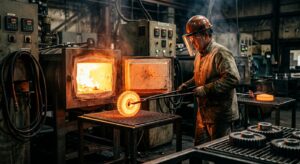
- Heat is applied under controlled conditions
- The glass softens and bonds to the metal
- The assembly cools and solidifies into a permanent seal
Proper thermal compatibility is critical.
If expansion rates differ too greatly, stress can develop during heating or cooling, increasing the risk of cracking or seal failure.
Why Thermal Expansion Matters
Glass and metal expand and contract differently when exposed to temperature changes.
A successful seal requires:
- Controlled material selection
- Precision engineering
- Proper manufacturing temperatures
Engineers carefully select materials to minimize stress at the bonding point.
Borosilicate glass is commonly used because it offers:
- Excellent thermal resistance
- Low thermal expansion
- Strong chemical durability
According to Corning, borosilicate glass performs well in demanding industrial environments involving rapid temperature fluctuations [Corning Borosilicate Glass Information – https://www.corning.com/worldwide/en/products/advanced-optics/product-materials/borosilicate-glass.html].
Types of Glass-to-Metal Seals
Several sealing methods are used depending on the application.
Compression Seals
The metal compresses around the glass as the assembly cools.
Advantages include:
- High mechanical strength
- Excellent pressure resistance
- Durability under vibration
Matched Seals
The glass and metal have nearly identical thermal expansion rates.
These seals are often used in:
- Electronics
- Aerospace applications
- Precision instrumentation
Hermetic Seals
Designed to create airtight or leak-proof protection.
Used in applications involving:
- Pressure systems
- Fluid containment
- Sensitive electronics
Electro-Seal manufactures fused glass-to-metal observation tools designed for demanding industrial use.
Why Glass-to-Metal Seals Are Better Than Mechanical Seals
Traditional mechanically clamped assemblies rely on:
- Gaskets
- Compression hardware
- Mechanical pressure
Over time, these systems may loosen, leak, or degrade.
Glass-to-metal seals offer several advantages:
Improved Leak Resistance
The permanent bond reduces leakage risk.
Better Pressure Performance
Fused assemblies handle higher pressure conditions more reliably.
Enhanced Thermal Stability
Thermal cycling creates less stress compared to mechanical assemblies.
Longer Service Life
Fewer moving parts reduce maintenance needs.
Better Vibration Resistance
Permanent bonding improves structural integrity.
These advantages make fused assemblies ideal for industrial and OEM applications.
Common Industrial Applications
Glass-to-metal seals are used in a wide variety of industries.
Aerospace Manufacturing
Used in systems requiring extreme reliability and pressure resistance.
Industrial Fluid Monitoring
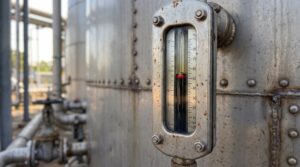
Common in sight glasses and liquid level indicators.
Agricultural Equipment
Used in hydraulic and fluid systems exposed to harsh operating conditions.
Chemical Processing
Supports systems involving corrosive materials and temperature fluctuations.
OEM Manufacturing
Custom assemblies are used in specialized equipment and machinery.
Electro-Seal manufactures components for these industries from our Indiana facility.
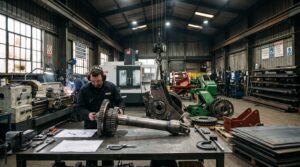
Why Precision Machining Is Important
Precision machining directly affects:
- Seal integrity
- Pressure resistance
- Alignment accuracy
- Structural reliability
Improper machining tolerances may create:
- Uneven stress
- Leakage
- Seal failure
- Reduced lifespan
Electro-Seal performs precision machining in-house to maintain strict quality control throughout manufacturing.
This allows us to produce durable OEM assemblies for demanding environments.
The Role of Material Selection
The success of a glass-to-metal seal depends heavily on material compatibility.
Common materials include:
- Stainless steel
- Brass
- Specialty alloys
- Borosilicate glass
Material selection depends on:
- Pressure requirements
- Operating temperature
- Chemical exposure
- Mechanical stress
Using the wrong materials may lead to:
- Cracking
- Corrosion
- Premature failure
- Reduced performance
Electro-Seal helps customers determine the best material combination for their application.
Preventing Seal Failure
Proper design and maintenance reduce the risk of seal failure.
Best practices include:
- Operating within pressure limits
- Avoiding rapid temperature changes
- Performing regular inspections
- Using chemically compatible materials
- Replacing damaged assemblies promptly
Routine maintenance helps identify:
- Cracks
- Leaks
- Corrosion
- Seal degradation
Preventative replacement reduces downtime and improves safety.
Why Domestic Manufacturing Improves Reliability
Working with a U.S.-based manufacturer provides:
- Faster lead times
- Easier communication
- Better quality oversight
- Faster customization
- Reduced supply chain delays
Electro-Seal operates from:
202 S Ecker Ave
Bourbon, IN 46504
We ship nationwide throughout the United States and support OEMs, engineers, and industrial maintenance teams with precision manufacturing solutions.
Frequently Asked Questions
What is a glass-to-metal seal?
A glass-to-metal seal is a fused assembly where glass is permanently bonded to metal to create a durable, leak-resistant component.
Why are glass-to-metal seals used?
They provide superior pressure resistance, thermal stability, and long-term reliability compared to mechanical seals.
What industries use glass-to-metal seals?
Common industries include aerospace, agriculture, industrial manufacturing, and chemical processing.
What type of glass is commonly used?
Borosilicate glass is widely used due to its thermal and chemical resistance.
Does Electro-Seal manufacture custom assemblies?
Yes. We manufacture OEM and custom fused glass-to-metal observation tools and industrial components.
Improve Reliability with High-Quality Glass-to-Metal Seals
Glass-to-metal seals provide the strength, pressure resistance, and durability required for demanding industrial applications. Choosing properly manufactured assemblies improves safety, reduces downtime, and extends equipment lifespan.
Electro-Seal manufactures fused glass-to-metal assemblies, OEM sight glasses, liquid level indicators, pulleys, and custom machined parts from our Indiana facility.
To request a quote or discuss your application:
Call: (574) 342-2105
Email: sales@electroseal.net
Hours: Mon–Fri 8:00am–4:30pm
Contact Electro-Seal today for precision industrial manufacturing solutions.